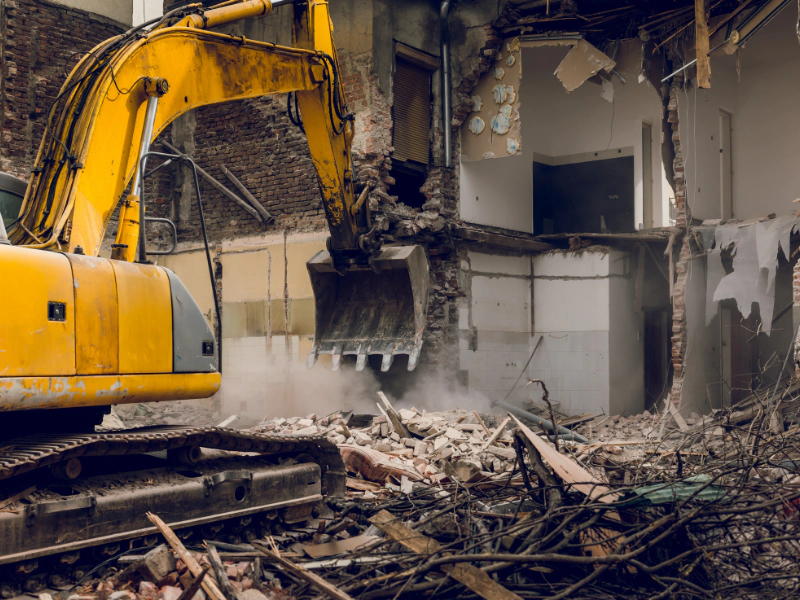
Understanding What Drives Demolition Pricing
If you’re planning to tear down a structure in the Greater Orlando area, your first question is probably the same one we hear every day: what’s this going to cost? The honest answer is that demolition pricing isn’t one-size-fits-all. A small garage teardown in Altamonte Springs will run you far less than leveling a two-story commercial building in downtown Orlando, and the gap between those two projects can span tens of thousands of dollars.
Five core factors determine what you’ll pay for residential or commercial demolition services. First, the type and size of the structure matters. A 1,200 square foot single-story ranch costs significantly less to demo than a 4,000 square foot two-story home, simply because there’s more material to break apart and haul away. Second, the materials your building is made from play a huge role. Wood-frame structures are faster and cheaper to dismantle than buildings with thick concrete foundations, reinforced steel, or multiple concrete block walls common in Florida construction.
Third, site access can make or break your budget. If your property sits on a narrow lot in Winter Park with mature oak trees lining the driveway, heavy equipment access becomes tricky and labor hours climb. Fourth, disposal and hauling fees vary across Central Florida. Seminole County landfill tipping fees differ from Orange County rates, and the distance from your site to the nearest licensed disposal facility directly impacts your bottom line. Finally, hidden variables like asbestos-containing materials, underground oil tanks, or the need to disconnect utilities before demo day can add thousands of dollars if they’re not identified early.
Over the past decade serving Altamonte Springs and the surrounding communities, we’ve learned that the contractors who earn trust are the ones who walk the site, ask the right questions, and provide an itemized quote that accounts for every one of these variables before the first piece of equipment arrives. That transparency is what separates a smooth project from a budget nightmare.
Residential and Commercial Projects: What to Budget
Residential demolition services in Central Florida typically range from four dollars to fifteen dollars per square foot for a complete teardown, depending on the factors we just outlined. A standard single-story, wood-frame home around 1,500 square feet in Casselberry or Maitland usually falls in the six to eight dollar per square foot range when access is straightforward and the foundation is a simple concrete slab. That puts your total project cost between $9,000 and $12,000 for full demolition, debris removal, and site grading.
If your home is two stories, built with concrete block construction (common in Florida for hurricane resistance), or includes a basement (rare but not unheard of in parts of Central Florida), expect the per-square-foot price to climb toward the higher end of the range. A 2,500 square foot two-story block home in Oviedo might run $20,000 to $30,000 for complete site demolition, especially if the contractor needs to carefully dismantle the upper level to avoid damaging neighboring properties or underground utilities.
Now let’s talk commercial demolition services. Commercial projects start at a higher baseline simply because building codes require stronger materials, more robust structural systems, and often multi-story configurations. A small single-story commercial building, say a 3,000 square foot former retail space in Altamonte Springs, might cost $18,000 to $25,000 to demo and clear. But a multi-story office building or an old industrial warehouse in the Orlando corridor can easily hit $100,000 or more once you factor in the engineering required to safely bring down steel beams, the environmental testing for asbesalt insulation or lead paint, and the coordination with local permitting offices that demand detailed demolition plans and traffic control during the work.
One detail that catches property owners off guard: permitting timelines in Orange and Seminole Counties can add two to four weeks to your project start date during busy construction seasons. Summer months bring not only peak demand but also afternoon thunderstorms that halt work for safety, stretching schedules and occasionally adding costs if labor crews need to return for additional days. A local demolition company that understands these rhythms can build realistic timelines and budgets that won’t surprise you mid-project.
Another Central Florida-specific consideration is the sandy soil that defines much of our region. While sandy soil makes excavation easier and faster compared to dense clay or bedrock found in other parts of the country, it also means contractors need to account for proper grading and erosion control, especially during the rainy season from June through September. If your project includes site preparation for new construction, your contractor should factor in soil stabilization or compaction costs upfront rather than discovering drainage issues after the demo is complete.
When Partial Teardown Makes Sense and What It Costs
Not every demolition project means tearing a structure down to bare ground. Selective demolition services have become one of the fastest-growing segments of our business in Altamonte Springs and across the Greater Orlando area, and for good reason. When you’re renovating a home, converting a commercial space, or updating a multi-tenant building, you often need to remove only specific interior walls, flooring, ceilings, or fixtures while leaving the building’s structural skeleton intact.
Selective demolition typically costs less per square foot than complete site demolition because you’re removing less material and the work requires more precision than brute force. Interior-only projects in residential settings might run three to six dollars per square foot, depending on what’s coming out. Removing non-load-bearing drywall partitions in a 1,000 square foot office remodel in Winter Park might cost $3,000 to $4,500, while tearing out tile, cabinets, and old plumbing fixtures in a full kitchen and bathroom gut job could push that number to $6,000 or more once you add debris removal and disposal fees.
But here’s the critical point: selective demolition demands experience and a solid understanding of building systems. One wrong cut into a load-bearing wall, and you’ve compromised the structural integrity of the entire building. We’ve been called in to fix botched DIY and low-bid contractor teardowns where walls were removed without proper shoring, creating dangerous sags in ceiling joists or even partial roof collapses. In Florida, where hurricane-force winds test every structural element, you can’t afford shortcuts.
Commercial selective demolition adds another layer of complexity. If you’re converting a retail storefront into a restaurant in downtown Orlando, you might need to remove interior walls, drop ceilings, and old HVAC ductwork while protecting the building’s fire-rated separations, structural steel, and exterior envelope. This type of work requires coordination with engineers, architects, and local building inspectors. A mid-sized commercial tenant improvement demo (say, 5,000 square feet) often runs $15,000 to $30,000, and the contractor needs to schedule the work during off-hours to avoid disrupting neighboring tenants.
One often-overlooked cost driver in selective projects is dust control and containment. When you’re working inside an occupied building or in a dense neighborhood like College Park or Thornton Park, you can’t just let demolition dust drift through the air or settle on adjacent properties. Professional contractors use negative air machines, plastic sheeting barriers, and HEPA filtration to keep the work zone contained. That equipment and the extra labor to set it up and maintain it throughout the project add to your cost, but they also protect your liability and keep neighbors happy.
If your project involves removing concrete foundations, driveways, or pool decks, expect to budget separately for that work. Concrete demolition in Central Florida often reveals surprises—rebar-reinforced slabs that are thicker than expected, or footings that extend deeper into that sandy soil than the original plans indicated. A concrete demolition contractor with local experience knows to probe and measure before quoting, so you’re not hit with change orders once the jackhammers start running.
Uncovering the Budget Killers Before Demo Day
The demolition projects that blow budgets are almost always the ones where hidden problems surface after the contract is signed and the equipment shows up. We’ve seen property owners in the Orlando area get quoted a rock-bottom price, only to face change orders that double the final bill once the contractor discovers asbestos floor tiles, an abandoned septic tank, or live electrical service that should have been disconnected weeks earlier.
Asbestos is the single biggest hidden cost in demolition, especially for homes and commercial buildings constructed before the mid-1980s. Florida saw a building boom during that era, and many structures in Altamonte Springs, Maitland, and surrounding communities contain asbestos in floor tiles, ceiling texture, pipe insulation, or siding. If your demolition contractor suspects asbestos, state law requires testing and certified abatement before any demo work begins. Asbestos abatement can add $5,000 to $20,000 or more to your project cost, depending on the quantity and location of the material. The key is identifying it during the site assessment, not after the crew has already started tearing into walls.
Underground storage tanks are another common surprise, particularly on older residential properties that once used oil heat or on commercial sites that operated gas stations or auto repair shops. Removing and properly disposing of an underground tank in Florida typically costs $3,000 to $8,000, and if soil contamination is present, environmental remediation can push costs into the five or six-figure range. A detailed site history review and ground-penetrating radar scan (if the property’s past suggests risk) can flag these issues early.
Utility disconnection is a frequent source of confusion and delay. In Central Florida, you’re generally responsible for coordinating with Duke Energy, the local water utility, and any natural gas or telecom providers to disconnect service before demolition begins. If the contractor has to halt work because live electrical lines are still connected, you’re paying for downtime. Worse, if a crew accidentally strikes a live utility line, you’re looking at emergency repair costs, potential fines, and serious safety liability. Experienced contractors build utility coordination into their project timeline and often handle the paperwork on your behalf, but you need to confirm who’s responsible before you sign.
Permit delays are less dramatic but just as costly. Seminole County and Orange County both require demolition permits, and approval times vary depending on the complexity of the project and the workload at the permitting office. During peak construction seasons (typically late fall through early spring, when weather is most predictable), permit processing can stretch to three or four weeks. If your contractor hasn’t built that lead time into the schedule, your project start date slips and any financing or construction deadlines you’re working against get pushed back. A veteran-owned local contractor who pulls permits routinely in these jurisdictions knows exactly how long to expect and can expedite the process by submitting complete, accurate applications the first time.
Finally, let’s talk about debris removal and disposal fees. Florida landfills charge tipping fees by weight or volume, and those fees vary by county and by material type. Concrete, asphalt, and masonry can often be recycled at lower cost than mixed construction debris, but only if your contractor takes the time to separate materials on site. A contractor who just loads everything into dump trucks and hauls it to the nearest landfill will pass higher disposal costs on to you. At Sunset Demolition, we prioritize recycling and material separation whenever possible, both to control costs and to reduce environmental impact across the communities we serve.
What to Look for in A Demolition Partner
Choosing the right house demolition contractor or commercial demolition partner comes down to three things: transparency, experience, and reliability. The lowest bid might look attractive on paper, but if it doesn’t include a detailed breakdown of labor, equipment, hauling, disposal, permits, and contingency allowances for potential surprises, you’re setting yourself up for conflict and cost overruns.
An honest, itemized quote should list every significant cost center. You should see separate line items for demolition labor (including the crew size and estimated hours), equipment rental or usage (excavators, loaders, dump trucks), debris removal (number of loads and estimated tonnage), tipping fees at the landfill, permit costs, utility disconnection coordination, and any specialized services like asbestos testing or underground tank removal. If the quote is a single lump sum with no breakdown, ask for detail. A contractor who’s confident in their pricing will gladly explain where every dollar goes.
Local experience matters more in demolition than in almost any other trade. A contractor who’s been working in Altamonte Springs, Orlando, Winter Park, and the surrounding communities for a decade or more understands the quirks of local permitting offices, knows which landfills offer the best rates and shortest drive times, and has relationships with environmental testing labs and utility companies that speed up coordination. They also understand Florida-specific challenges: how afternoon thunderstorms in summer can halt work for hours, how sandy soil behaves during excavation and grading, and how to schedule around hurricane season when material supplies and equipment availability can tighten up fast.
At Sunset Demolition, we’ve spent more than twenty years building that local knowledge base across the Greater Orlando area. As a veteran-owned and operated business, we approach every project with the same discipline and attention to detail that defined our military service. When we walk your site, we’re looking for the variables that other contractors miss—the mature tree roots that might interfere with foundation removal, the slight grade that could affect drainage after demo, the proximity to neighboring structures that will dictate equipment selection and safety protocols.
We also prioritize communication and punctuality. Demo projects create disruption, and we know that neighbors, tenants, and local officials are all watching how the work unfolds. Our crews arrive on time, keep the site clean throughout the project, and communicate daily about progress and any issues that arise. If we discover a hidden tank or suspect asbestos, you hear about it immediately, along with a clear explanation of the options and costs, not a surprise invoice three weeks later.
Whether you need interior demolition for a remodel, selective removal of concrete structures, or complete site demolition and preparation for new construction, the right partner will combine fair pricing with the safety, professionalism, and local expertise that keep your project on time and on budget. If you’re ready to get an honest, itemized quote that accounts for every detail of your demolition project, contact our team in Altamonte Springs today. We’ll walk your site, answer your questions, and provide the clarity you need to move forward with confidence.