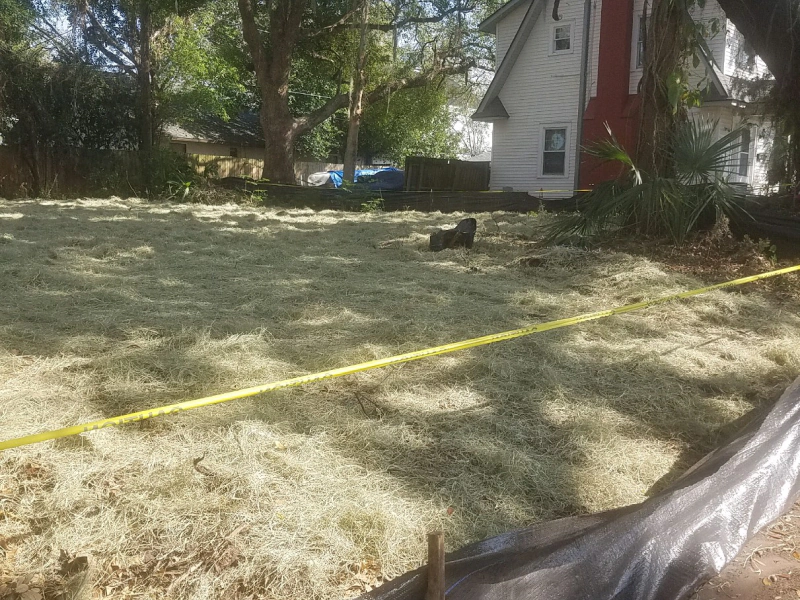
Conduct a Thorough Property Assessment and Document Existing Conditions
Before any demolition work begins, property owners must invest time in a detailed site assessment. This foundational step protects your legal interests, establishes baseline conditions, and uncovers potential challenges that could delay or complicate the demolition process. In Central Florida, where properties often sit on sandy soil with high water tables, understanding your site’s unique characteristics is particularly crucial.
Begin by walking the entire property and documenting every structure, utility connection, and site feature. Take date-stamped photographs from multiple angles, capturing not just the buildings slated for demolition but also neighboring structures, property lines, existing landscaping, and any shared infrastructure. This visual record becomes invaluable if disputes arise about pre-existing conditions or if neighbors later claim your demolition work caused damage to their property.
Next, gather and organize all property documentation:
- Original building plans and as-built drawings (particularly important for identifying load-bearing walls and hidden utility lines)
- Prior renovation permits or modification records that may have altered the structure’s original configuration
- Utility service agreements and locations of meter boxes, septic systems, or well points
- Survey documents that clearly mark property boundaries and easements
- Environmental reports or previous testing for hazardous materials
During this assessment phase, arrange for a professional inspection to identify hazardous materials such as asbestos, lead paint, or underground storage tanks. Florida regulations require proper abatement of these materials before demolition proceeds, and discovering them late in the process can halt work and inflate costs significantly. Many properties built before the 1980s in the Altamonte Springs area contain asbestos in ceiling tiles, floor adhesives, or exterior siding, making this step particularly relevant for older structures.
Finally, assess access routes for heavy equipment. Florida’s summer thunderstorms can turn unpaved access points into impassable mud within hours, so identifying all-weather equipment routes now prevents costly delays later. Consider whether neighboring properties might provide alternate access if your primary route becomes compromised.
Notify Neighbors and Establish Communication Protocols
Proactive communication with neighboring property owners prevents conflicts, builds goodwill, and sometimes reveals practical concerns you might have overlooked. Major demolition projects generate noise, dust, vibration, and heavy truck traffic that will affect surrounding properties. Addressing these concerns directly before work begins demonstrates professionalism and reduces the likelihood of complaints or work stoppages.
Begin by providing written notice to all immediate neighbors at least two weeks before demolition starts. This notice should include:
- The expected start date and estimated duration of the project
- Working hours (typically limited by local noise ordinances, often 7:00 AM to 6:00 PM on weekdays in residential areas)
- A brief description of the work being performed
- Contact information for the property owner and the demolition contractor
- Plans for dust control, debris containment, and traffic management
In neighborhoods where properties sit close together, particularly in older Altamonte Springs communities, consider hosting a brief informal meeting or making personal visits. Face-to-face conversations allow neighbors to ask questions and voice concerns that they might not communicate through written notices alone. This personal approach often transforms potential adversaries into understanding partners who appreciate being kept informed.
Address specific neighbor concerns that commonly arise with demolition projects. If the property shares a driveway or access road, clarify how construction traffic will be managed and whether temporary access disruptions might occur. For properties with shared fences or walls, discuss how these structures will be protected or whether they require temporary shoring during demolition. If trees near property lines might be affected, show how you plan to preserve them or explain why removal becomes necessary for safety.
Establish a clear communication protocol for the duration of the project. Provide a primary contact person (either yourself or the project manager from your demolition team) who can respond quickly to concerns. Neighbors who know someone will address their questions promptly feel more patient with temporary inconveniences. Coordinate with your selected demolition company to ensure their team respects property boundaries, maintains site security, and follows agreed-upon schedules. Professional residential demolition services understand that maintaining positive neighbor relations protects your project timeline and community reputation.
Conduct Final Pre-Demolition Verification and Engage Professional Support
As your demolition date approaches, conducting a systematic final verification ensures nothing has been overlooked that could compromise safety, legality, or project efficiency. This comprehensive review represents your last opportunity to identify and resolve issues before heavy equipment arrives and irreversible work begins.
Schedule a pre-demolition walkthrough with your selected demolition professionals at least 48 hours before work commences. During this inspection, verify every critical preparation element:
- Confirm all utilities show physical evidence of disconnection, not just paperwork. Walk to each service entry point and visually verify caps, removed meters, or disconnected lines.
- Review site access routes and equipment staging areas. Ensure gates open fully, overhead clearances accommodate the tallest equipment, and ground conditions will support heavy machinery.
- Verify perimeter fencing is complete, secure, and properly posted with all required signage.
- Confirm that all items intended for salvage have been removed from the structure. Once demolition begins, selective retrieval becomes difficult or impossible.
- Double-check that hazardous material abatement certificates are complete and posted as required by your permit conditions.
- Review weather forecasts for the project start date, as Florida’s afternoon thunderstorms can impact scheduling, particularly during summer months.
This walkthrough provides an opportunity to clarify any final questions about the demolition plan. Discuss which structures or site features require protection, where debris will be sorted and loaded, and how the contractor will manage unexpected discoveries like additional underground utilities or structural surprises. Experienced land clearing services can adapt to unforeseen conditions, but advance discussion of contingency plans prevents confusion when time-sensitive decisions become necessary.
For complex projects involving multi-story demolition, selective demolition of occupied buildings, or industrial demolition with specialized equipment requirements, consider whether your preparation would benefit from professional project management. While property owners can handle many preparation tasks independently, larger or more technical projects often justify the investment in professional oversight. These specialists coordinate permitting, manage contractor schedules, interface with municipalities, and ensure compliance with all regulatory requirements.
Consider the scope of your project when deciding whether to manage preparation yourself or engage professional support. Simple residential demolitions of small structures might require only basic preparation that property owners can handle independently. However, commercial demolition services involving occupied neighboring units, shared infrastructure, or structures containing complex mechanical systems benefit significantly from experienced construction site development professionals who navigate these challenges daily.
As you complete your preparation process, remember that thorough planning directly correlates with project success. Properties in the greater Orlando area present unique considerations, from sandy soils that affect equipment stability to seasonal weather patterns that influence scheduling windows. Working with a knowledgeable local team familiar with Central Florida’s regulatory environment, soil conditions, and typical structural characteristics ensures your project proceeds smoothly from preparation through completion.
If you are planning a major site demolition project and need guidance on preparation requirements, professional assessment of your property’s unique considerations, or coordination of the complex steps outlined above, reach out to discuss your specific needs. Proper preparation sets the foundation for successful outcomes, protecting your investment while ensuring safety and compliance throughout the demolition process. To learn more about how professional site preparation services can simplify your project, visit our contact page to schedule a consultation.